March 18, 2026
This blog focuses on essential questions that individuals should contemplate when preparing for HVAC (Heating, Ventilation, and Air Conditioning) certification exams. The road to a successful career in HVAC is paved with thorough preparation, and asking the right questions can provide clarity and insight into the test topics. Here, we delve into key areas to explore during your prep time. While HVAC certification focuses on technical knowledge and hands-on skills, continuing education and professional development also play an important role in many technical careers. For example, according to The Business Research Company, the senior executives segment represented the largest portion of the Executive Education Program market in 2024, accounting for 29.68% of total market value, illustrating how ongoing learning and specialized HVAC test prep remain valuable across many professional fields.
What are HVAC System Components?
What are the main parts of an HVAC system?
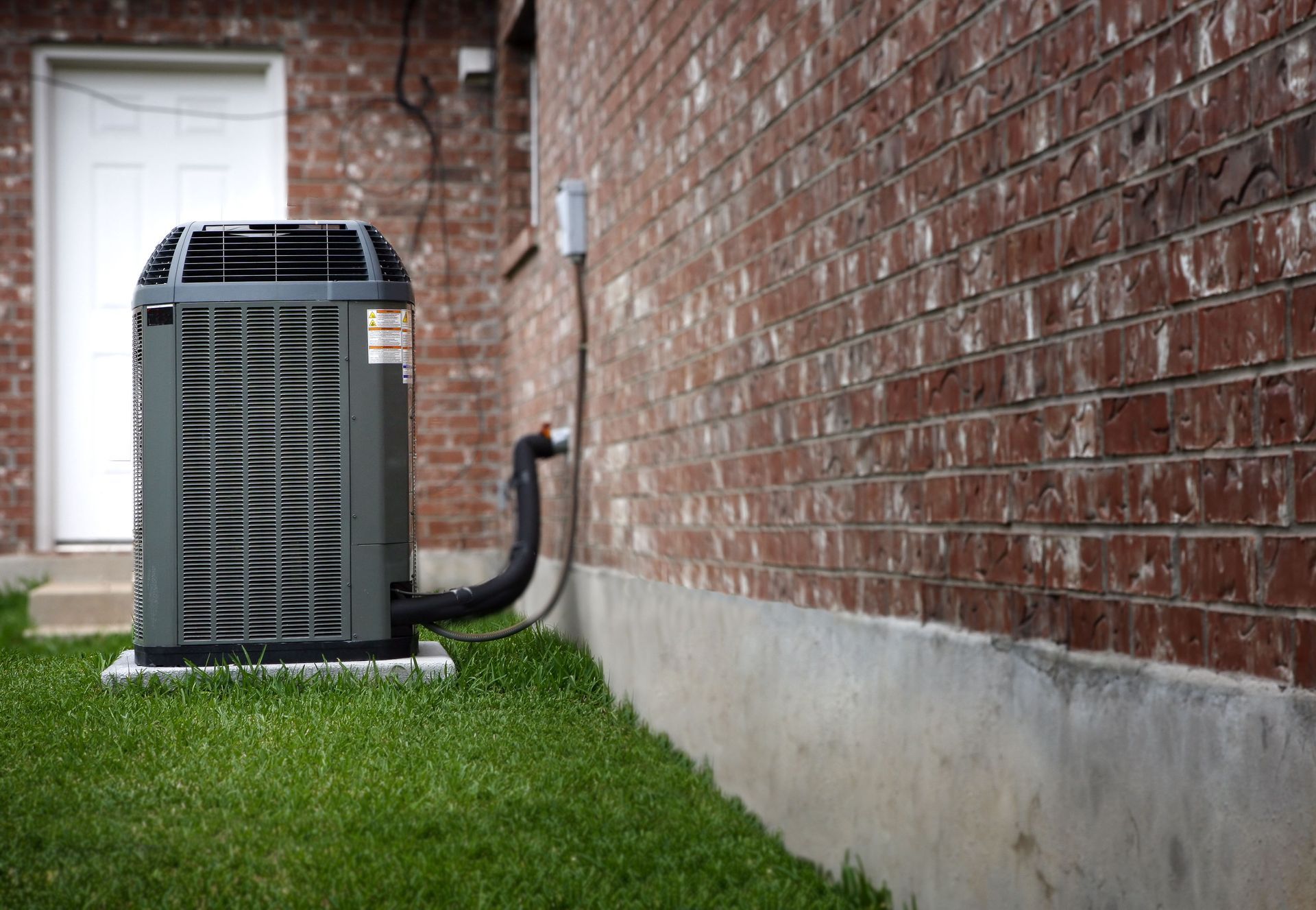
The main components of an HVAC system are the thermostat, air handler, furnace, heat exchanger, evaporator coil, condensing unit, refrigerant lines, ductwork, and vents. The thermostat regulates the system's operation by detecting temperature changes and signaling the HVAC components. The air handler circulates air through the entire setup, while the furnace and heat exchanger are integral for heating. An evaporator coil is crucial in the cooling process, where the refrigerant absorbs heat from the air. In conjunction with these, the condensing unit, placed externally, dissipates heat absorbed during the cooling cycle.
How do these components interact with each other?
The components of an HVAC system are interconnected to maintain a stable and comfortable indoor environment. When the thermostat triggers a response, the air handler begins circulating air over the evaporator coil, removing heat and distributing cool air via ductwork. The furnace, in heating mode, uses the heat exchanger to warm the air before it's spread throughout the building. The refrigerant travels through lines between the evaporator coil and the condensing unit, transferring heat outside during cooling cycles. Each component's functionality directly affects the others, making proper maintenance and understanding of their interaction essential in system operation and HVAC test prep.
In what scenarios do specific components fail?
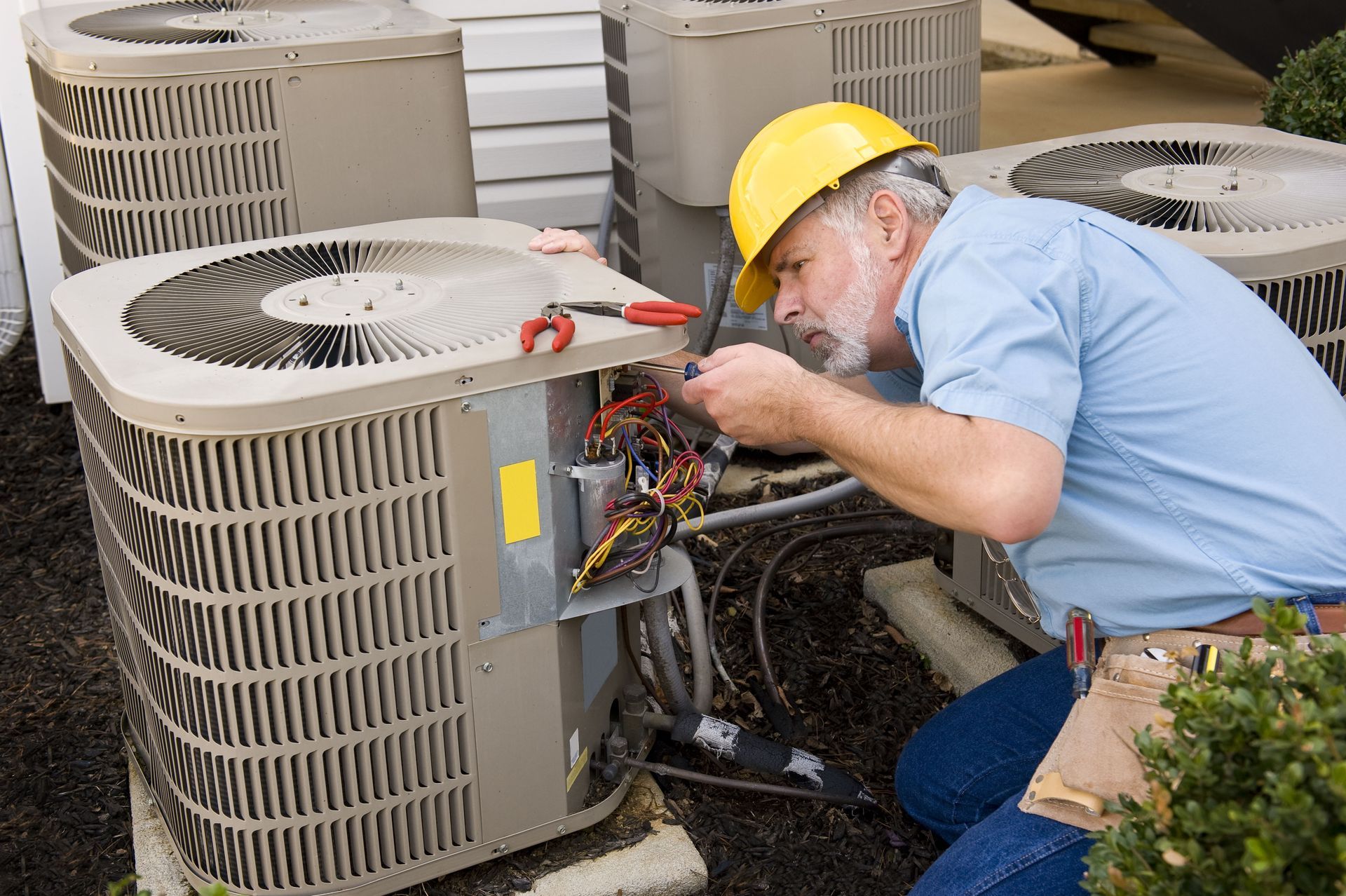
HVAC components are susceptible to failure due to a variety of factors, such as age, lack of maintenance, or external influences. For instance, the thermostat might malfunction if it's outdated, leading to inefficient system responses. Air handlers can fail due to motor wear or clogged filters, which impede airflow and lead to system strain. Heat exchangers are prone to cracks over time, often due to overheating or metal fatigue, which poses risks of carbon monoxide leakage. Outdoor units are frequently exposed to environmental elements that can damage or clog condensing coils, reducing efficiency.
Mastering HVAC Codes and Regulations
What are the common building codes that apply to HVAC systems?
Common building codes governing HVAC systems ensure safety, efficiency, and proper installation. The International Mechanical Code (IMC) provides comprehensive regulations for HVAC systems in residential and commercial structures. The Energy Conservation Code complements these rules by setting standards for energy efficiency in system design and operation. Building codes also address ventilation and air quality, relying on major guidelines like those set by the American Society of Heating, Refrigerating, and Air-Conditioning Engineers (ASHRAE). Compliance with these codes is essential to meet legal requirements and ensure system performance and safety.
How do federal regulations impact HVAC design and implementation?
Federal regulations significantly influence HVAC design to promote energy efficiency and environmental responsibility. Initiatives like the Environmental Protection Agency's (EPA) Refrigerant Management Program regulate the use of ozone-depleting refrigerants. The Department of Energy (DOE) establishes efficiency standards for HVAC equipment, aiming to reduce overall energy consumption. These rules pressure manufacturers and installers to adopt sustainable technologies and practices. Ensuring adherence means not only compliance with the law but also an opportunity for businesses to leverage environmental stewardship in their service offering.
Are there specific regional requirements to consider?
Regional climate and environmental laws can dictate specific HVAC requirements, adding complexity to uniform guidelines and HVAC test prep. For example, coastal areas may demand corrosion-resistant materials to withstand salty environments. Local ordinances could control emission standards for heating sources based on air quality considerations. In colder climates, additional efficiency measures for heating systems might be required to preserve energy and ensure functionality. Understanding region-specific regulations is crucial for HVAC professionals taking HVAC test prep to tailor their approaches and ensure locally compliant installations.
What are the HVAC Safety and Best Practices?
What safety protocols should be followed when maintaining HVAC systems?
Upholding safety during HVAC maintenance involves strict adherence to established protocols. First, powering down systems before performing inspections or repairs is crucial to prevent electrical hazards. Regularly checking the integrity of all components, especially those with moving parts, reduces the risk of mechanical failures. Proper ventilation in work areas prevents the buildup of toxic fumes during refrigerant handling.
How can you effectively identify potential hazards?
Recognizing potential hazards requires a proactive and informed approach during any maintenance or inspection. Familiarization with common fault signs such as burnt smells, unusual noise, or temperature anomalies can avert severe issues. Regular training in hazard identification allows technicians to spot risks like equipment wear or compromised gas lines early. Implementing comprehensive checklists ensures all system aspects are evaluated, reducing oversight.
What personal protective equipment (PPE) is essential?
Personal protective equipment (PPE) is critical in safeguarding HVAC technicians during system maintenance and installation. Essential PPE includes insulated gloves to protect against electric shocks when handling live wires or components. Safety glasses shield eyes from debris or exposure to hazardous materials like refrigerants. Respirators guard against inhaling dangerous fumes or fine particulates, while steel-toed boots prevent foot injuries from heavy equipment drops.
What are HVAC Troubleshooting Techniques?
What are common symptoms of HVAC system failure?
HVAC systems often exhibit specific symptoms that signal a need for troubleshooting. Insufficient airflow or uneven temperatures throughout a building can indicate duct or fan issues. Strange sounds, such as grinding or squealing, often point to mechanical problems within motors or blowers. A sudden increase in energy bills may result from reduced system efficiency due to failing components.
How do diagnostic tools improve troubleshooting?
The use of diagnostic tools significantly enhances troubleshooting speed and accuracy in HVAC systems. Advanced tools, such as electronic leak detectors, enable precise identification of refrigerant leaks, which manual inspections might miss. Infrared cameras reveal hotspots indicating potential overheating issues or insulation problems. Multimeters measure electrical parameters, instantly identifying circuit failures or anomalies. Digital airflow meters quantify ventilation efficiency, offering data-backed confirmation of suspected airflow issues.
What are the steps in diagnosing electrical issues?
Diagnosing electrical issues in HVAC systems involves a systematic approach to ensure safety and precision. Start with a visual inspection of the system's wiring and connections, looking for obvious signs like frayed wires or discolored terminals. Use a multimeter to test for continuity, voltage, and resistance in suspected circuits. Check control boards and relays for faults, as these components can fail and disrupt the power flow. Following this, verify that safety switches and sensors function correctly, as these can also prevent system operation if triggered. Finally, document all findings to inform future maintenance and decision-making.
HVAC test prep is a multifaceted endeavor that requires a strategic approach. By focusing on these key questions, candidates can enhance their technical knowledge, align with safety and regulatory standards, troubleshoot effectively, and ultimately perform confidently on exam day. Call Strategic Insights today to learn more about HVAC test prep.